Depth of Field Shots

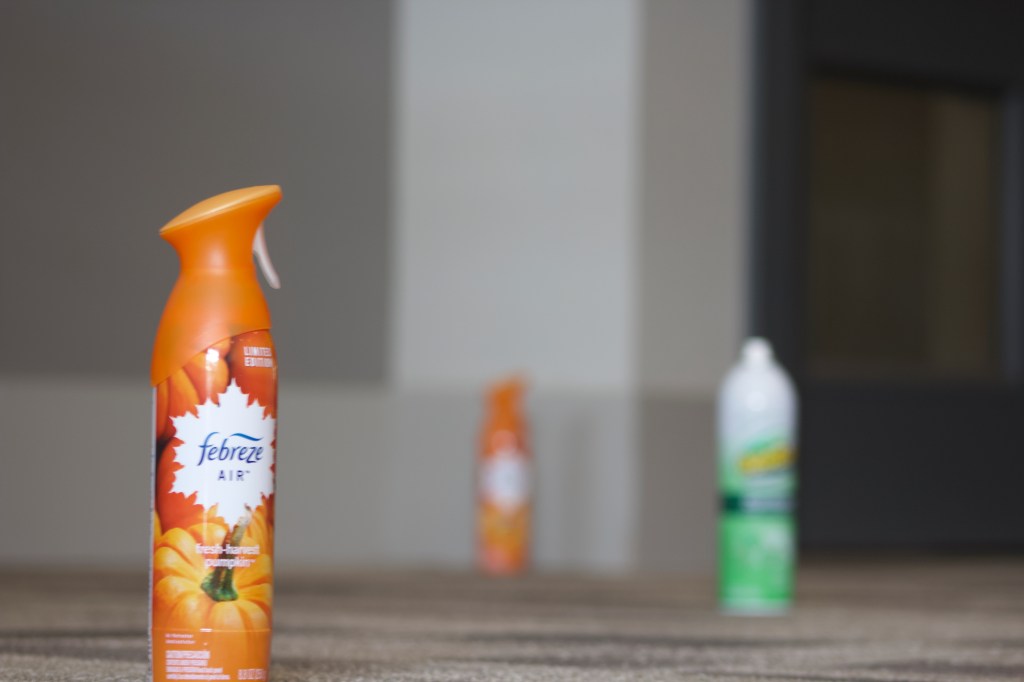
Febreze can in focus in Dallas, Texas Sunday, October 6, 2019 (SMU/Charlie Mitelhaus)
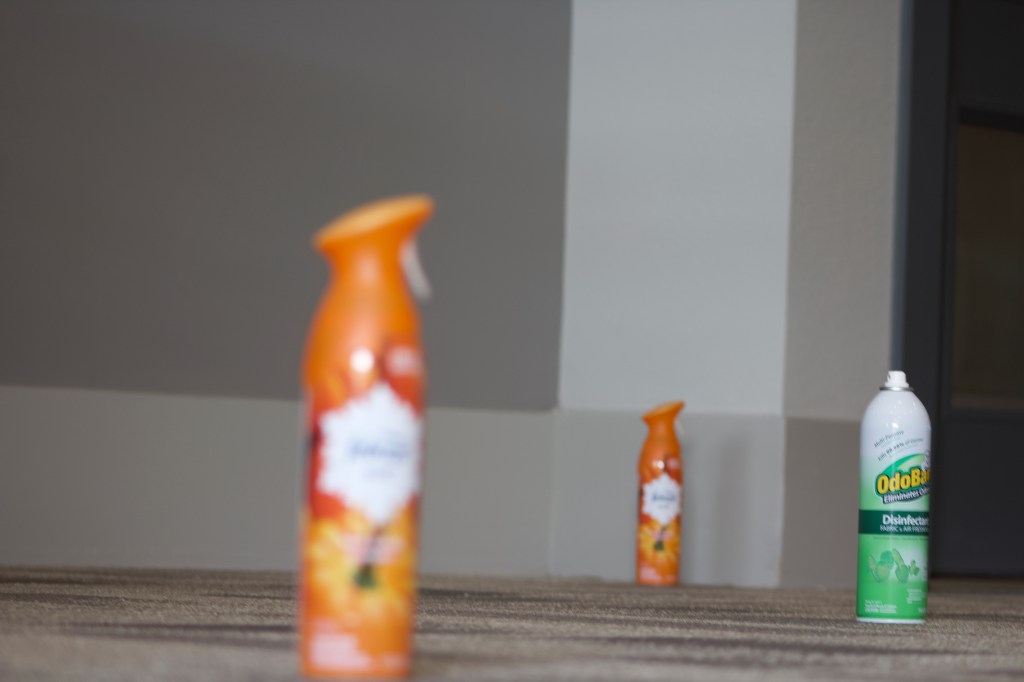
OdoBan can in focus in Dallas, Texas Sunday, October 6, 2019 (SMU/Charlie Mitelhaus)
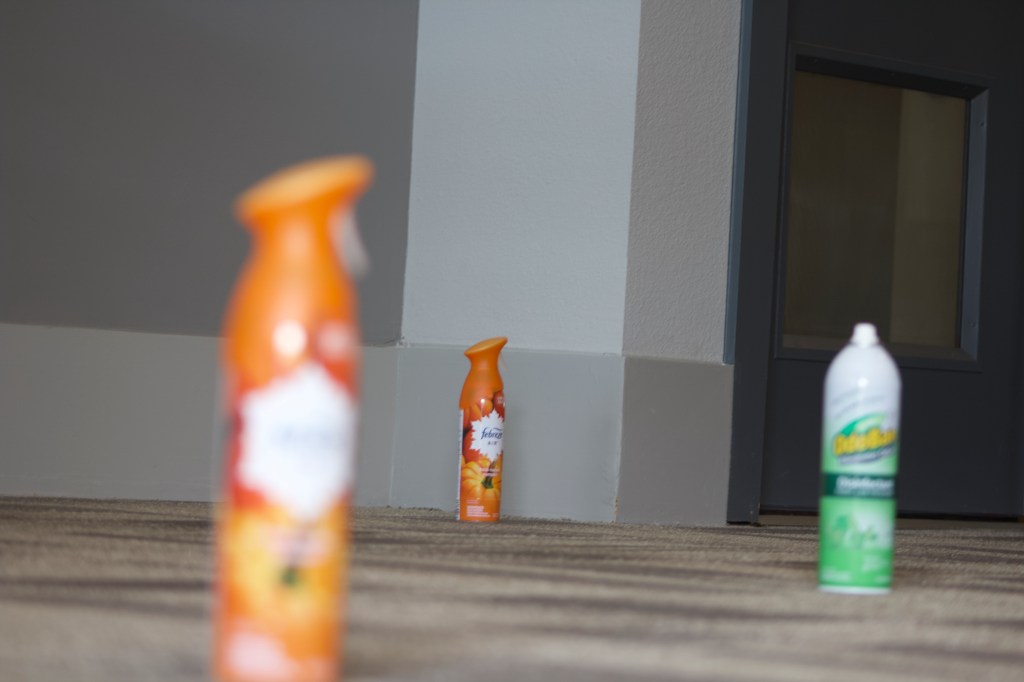
Febreze can in focus in Dallas, Texas Sunday, October 6, 2019 (SMU/Charlie Mitelhaus)

This assignment gave me the most trouble out of every assignment I’ve done for this class so far. I first struggled to figure out what to shoot. I finally decided on these spray cans since they have text on them and would be a good way to show depth of field.

I initially had a watermelon, a plant and a candle but these images turned out a lot better for the assignment. First I had to adjust the ISO for the appropriate lighting in the room. Then I had to adjust the f-stop to the lowest setting the camera had. Next I changed the lens to the longer lens.

I then had to move the cans around to create better depth of field. I originally had the cans too close together which didn’t allow for the fuzziness to show depth of field. I then had to figure out where I would be able to shoot from.

I stood far away from the cans in order to get the perfect shot. This didn’t work so I then went prone. This allowed me to finally secure these three shots for this assignment. I figured out that with a lens that can go down to an f-stop of 2.8 or lower I would not have had the issues I had with a lens that only went down to 4.0. This being the case I had to create the depth of field versus the camera creating it for me.
Environmental Portrait

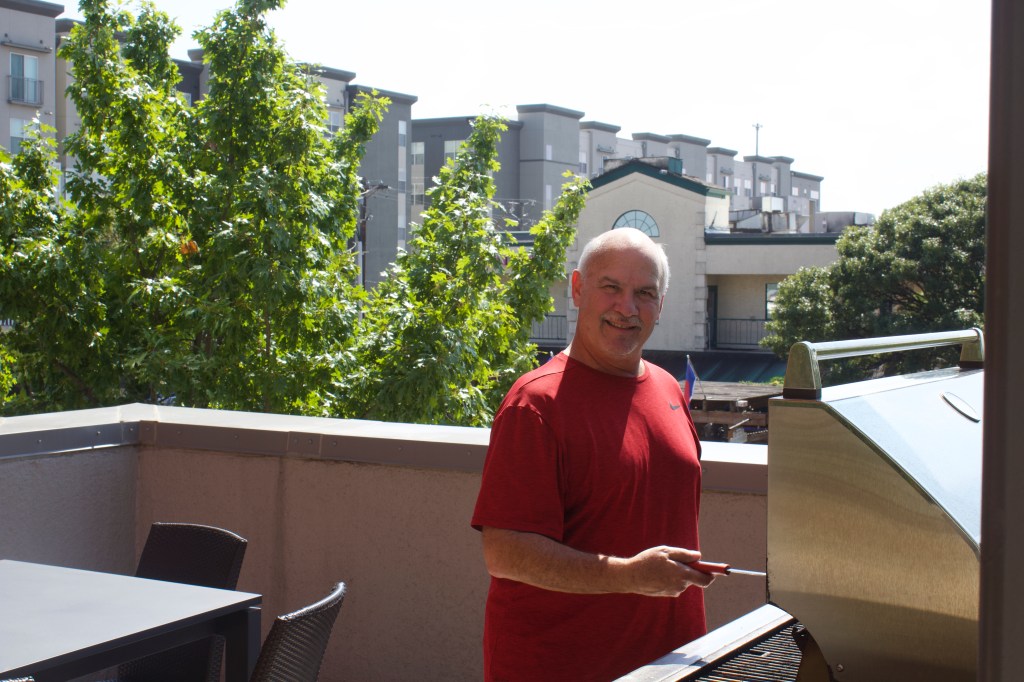
Charles Mitelhaus chefs up some meat on the grill in Dallas, Texas Saturday, October 5, 2019 (SMU/Charlie Mitelhaus)

For the second installment of the environmental portrait assignment I decided to photograph my Dad while he was in town over Family Weekend. The first image I chose for this assignment did not make the cut, so I wanted to change it up. This time I shot outside instead of inside.

My Dad is a great chef and an even better role model. The grill is definitely an example of an environment he thrives in. I miss my parents cooking all the time when I am here in Dallas for school.

I had my subject facing me this time instead of last time when I had the subject focusing on performing in their environment. I instructed my Dad to face me and smile instead of looking down at the grill. This worked a lot better than last assignment as the subject can be clearly seen instead of just partly seen.

I had to adjust the ISO to get the lighting right for outside. After that, I had to figure out what range I would shoot the photograph from. Finally, I ended up with a great picture that is definitely an improvement from last week’s assignment.

Rule of Thirds Photograph

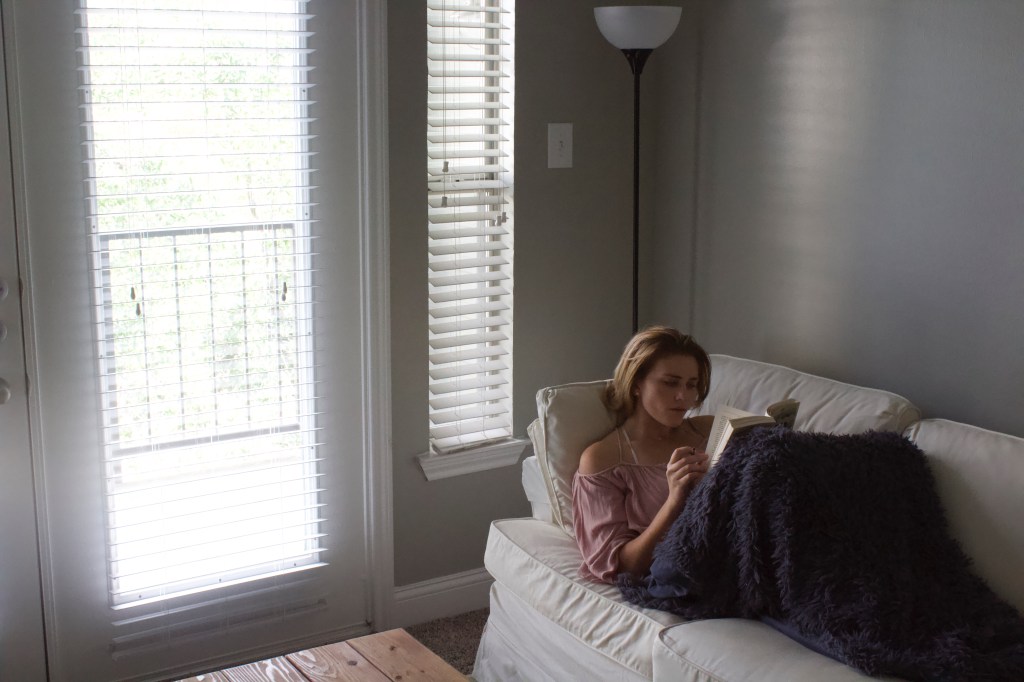
Emma Benkert reads One Of Ours by Willa Cather for her World War I American Literature class in her apartment in Dallas, Texas Sunday, September 22, 2019 (SMU/Charlie Mitelhaus)

For this assignment I first looked up examples on rule of thirds photographs to get an idea on how to set up a subject in the shot. One thing that I think would be beneficial to implement into cameras in the future would be a rule of thirds grid option that could help photographers set up and position their shots. This would help as the grid lines would make it easier to position subjects into pictures and provide a more artistic way at positioning subjects in a way that is more aesthetically pleasing.

A problem I had at the start involved the lighting in the room. I originally had the blinds shut with an artificial light source coming from the lamp in the corner. I was advised to utilize natural light and instead opted for open blinds and no lamp light to assist with appropriate lighting for the shot. I tried various different angles but ultimately settled on the angle the above picture is taken at.

My goal was to try and have the subject line up with the intersection points of the rule of thirds grid. My first shots failed to hit this mark. After later attempts, I think I was finally able to line up my subject with the intersection points of the rule of thirds grid.

I really enjoyed how this image turned out. I think that the natural lighting has a lot more aesthetic value and provides for a better image than simply a lamp in the corner of a room. For shots in the future, I think the rule of thirds is a good touchstone to try and position subjects in a way that is not as forthright and in your face as some of my pictures have been.

Night Photograph

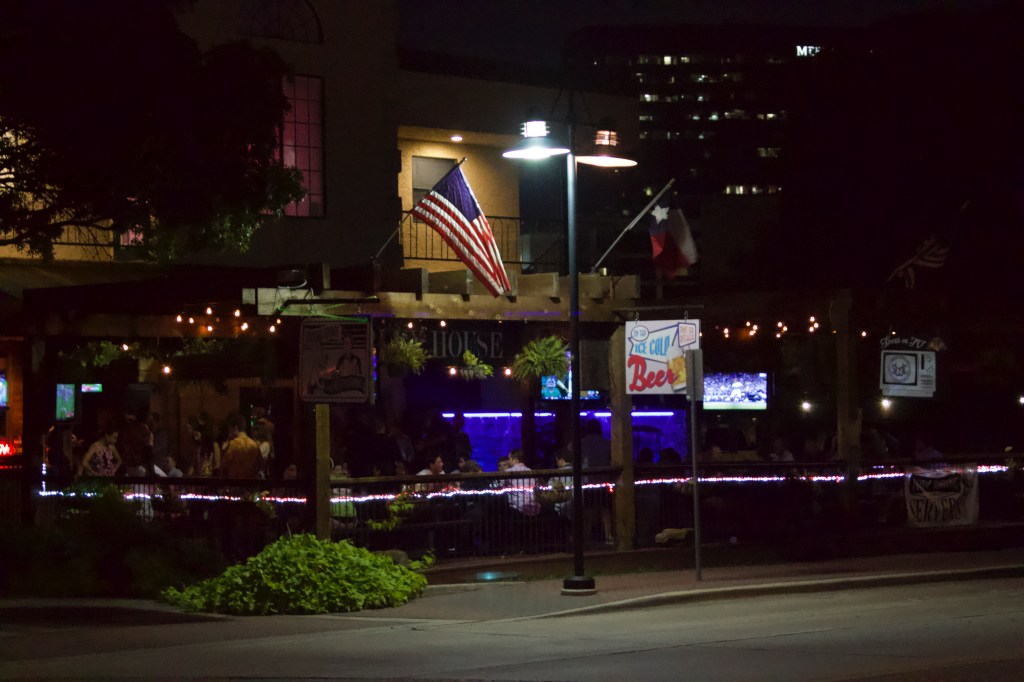
Charlie Mitelhaus snaps a photograph of the ol favorite SMU watering hole starting to fill up on a Friday night in Dallas, Texas Friday, September 13, 2019 (SMU/Charlie Mitelhaus)

Out of all of the photography assignments from this class so far, this one was probably the most fun. Initially, I tried to get a shot of the bright and vibrant full moon. It was Friday the 13th and it seemed like the perfect shot however none of the images turned out well. I could have used a lens with more range as that was the biggest issue with regards to taking that shot.

Instead, I worked my way up and down SMU Boulevard trying to find the perfect shot. I took shots of people at Torchy’s Tacos, Milo’s, Sushifork, even of Lime and Bird scooters out and about. Ultimately, I ended up choosing this picture of people at Barley House. An issue I had to start was finding the right ISO for the shot. Next, I had to adjust the aperture and shutter speed to more appropriate settings being that this was the first time I had used the camera for this class in a night setting.

This was also the assignment where I took the most photos to choose from. Even though it was only one shot, I had more photos to make my selection from than in the previous assignment where I had to choose three different shots. Capturing photos out and about on a warm fall night was probably the coolest thing about this assignment.

I am still struggling with photography but I’m happy with how this photograph turned out. I still have a lot to work on and will continue to try and improve upon as the semester unfolds. So far though, I would say that I am in fact improving with each assignment. Photography has never been my strong suit, but I would like to get better at it by the time I finish the class in December.

Diffuse, Artificial and Direct Light Shots

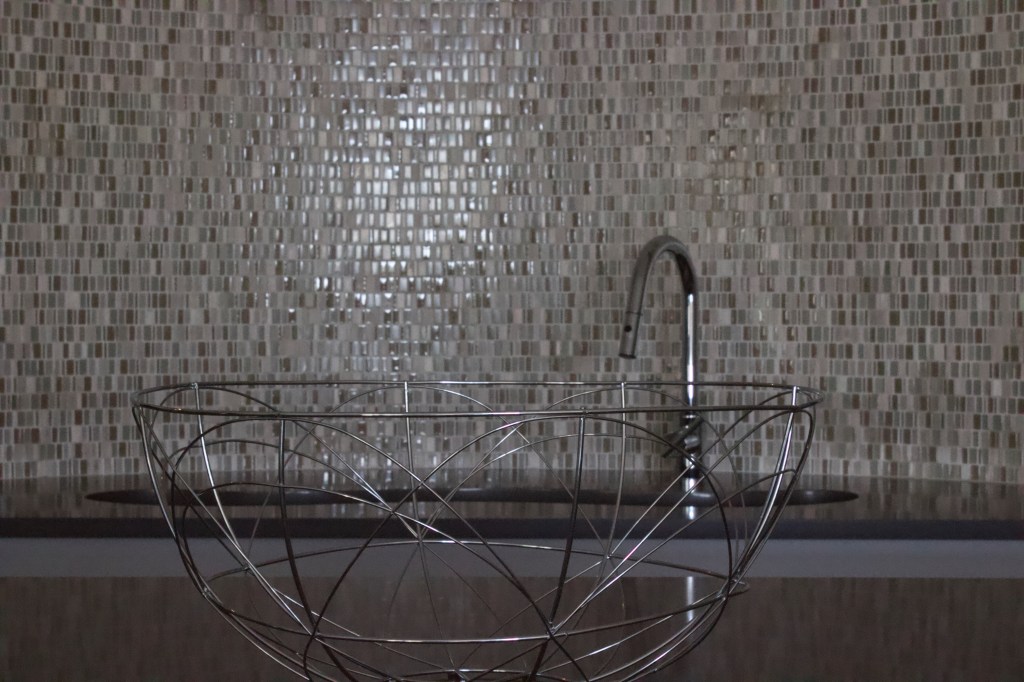
A bowl sits idle with no fruit to fill it in Dallas, Texas Saturday, September 7 2019 (SMU/Charlie Mitelhaus)
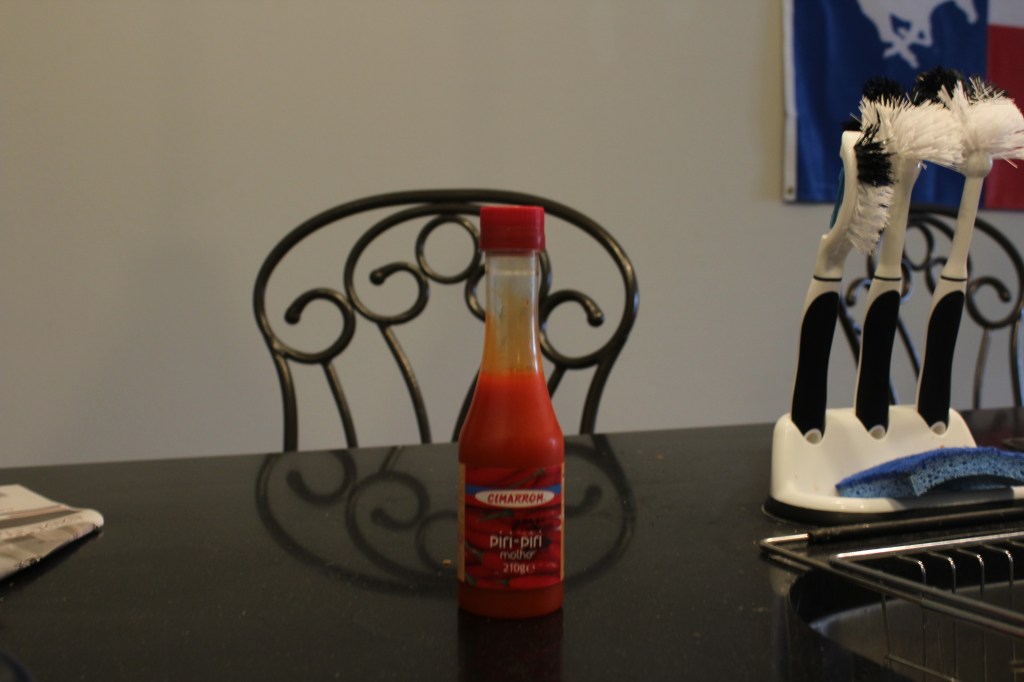
Piri-piri sauce from Portugal sits on a counter waiting to be drizzled on something tasty to give it some extra kick in Dallas, Texas Saturday, September 7 2019 (SMU/Charlie Mitelhaus)
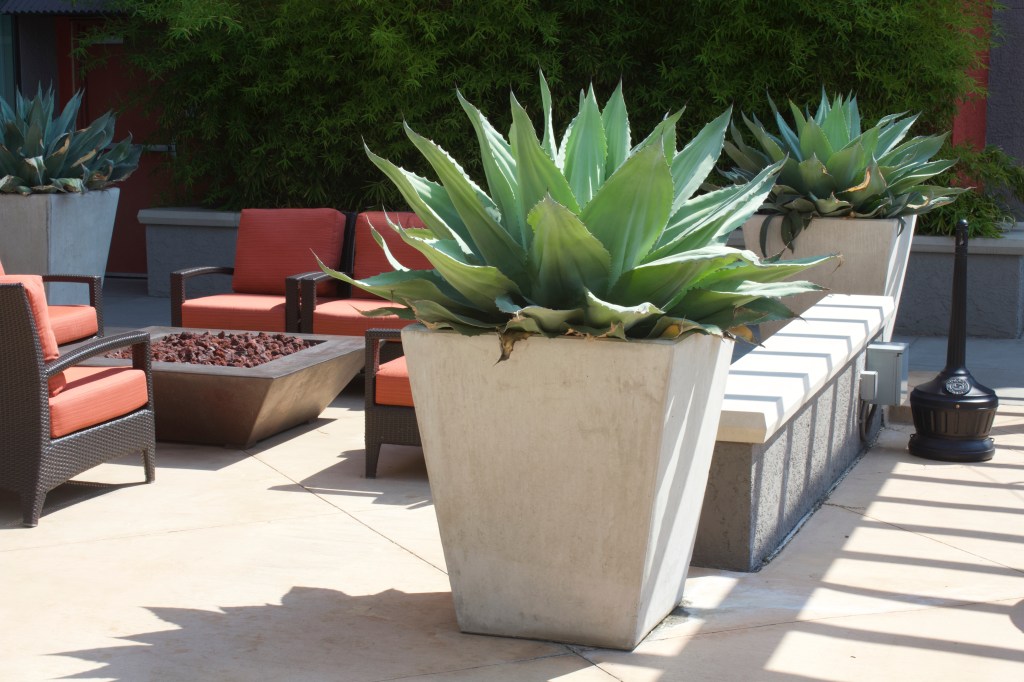
This outdoor patio area is quiet for now before people will grill out and kick back by the fire later in Dallas, Texas Saturday September 7 2019 (SMU/Charlie Mitelhaus)

This assignment was more challenging than the first as trying to figure out what would work for the three different types of shots took me some time to ponder over. I finally decided on the three pictures above. The first is of a bowl in diffuse light, the second is of a bottle of my favorite hot sauce in artificial light and the third is of the outdoor patio area at my apartment complex. After taking several shots of these three different settings, these ones were the ones that turned out the best in my opinion.

The first one was probably the toughest to figure out. Diffuse light and navigating between what is diffuse, what is not diffuse and what is both diffuse and direct was challenging at the start. Professor Hart pointed out to me on another photo I sent to him that my shot was both diffuse and direct as the side of the building I shot was in open shade making it diffuse, but also had some direct light in the image. I decided to go a different route and ended up with the image of the bowl instead.

The second image was the easiest in my opinion as artificial light can be generated from a simple flick of a light switch. The image is of my favorite hot sauce which is piri-piri sauce. I brought back a couple bottles of this from Portugal when I went with my family there this past Summer. This image also required the least amount of fiddling around with the camera’s settings compared to the rest.

The final image required me to adjust the camera’s settings the most as it was outside in direct light. The sun was shining bright and there was not a cloud in the sky at the time I took the image. For assignments in the future, I think I might experiment with taking the shot at another time of day. Preferably earlier or later on in the day. This would allow the sun light to come from an angle instead of from almost directly overhead.

Self-Portrait

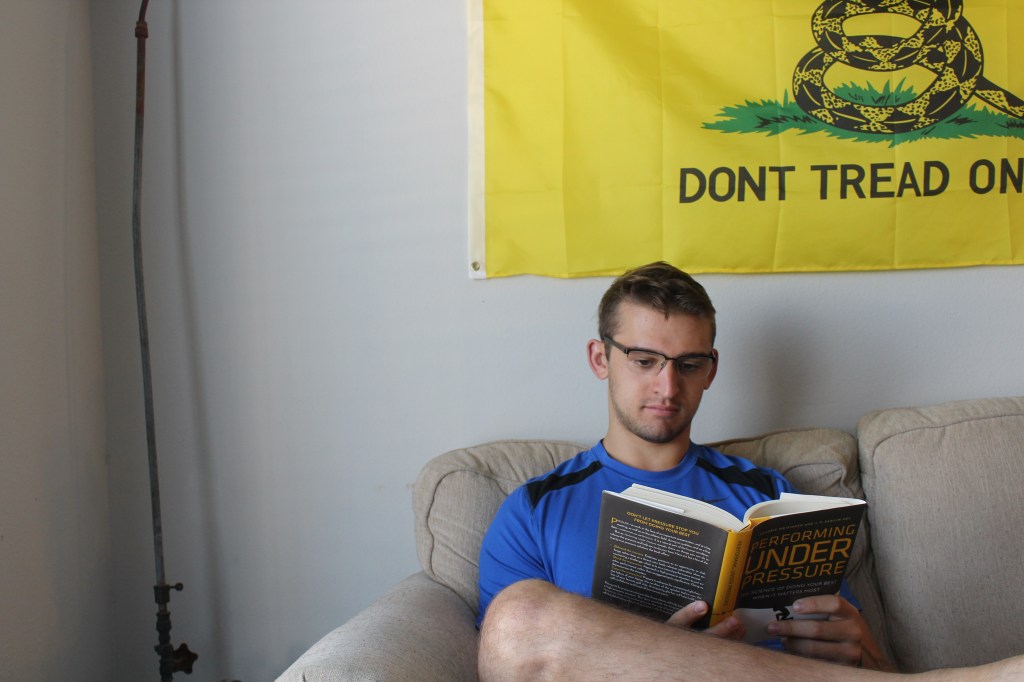
Charlie Mitelhaus studies up on how to become a better leader on Sunday, September 1, 2019 (SMU/Charlie Mitelhaus)

Photography has never been something that I have necessarily gravitated towards. My parents have always loved taking pictures on trips and at sporting events and what not of my brother and I but I definitely don’t think of myself as photogenic in any way. This class will definitely help me with becoming a better photographer as I have a lot of room to grow in that regard.

My Dad used to be very big into photography. He purchased a nice camera and even took a college class to help learn the ropes so he could take better pictures. I know he had to overcome challenges with becoming a better photographer and now I will have to do the same. There definitely were challenges to say the least in multiple shapes and forms.

One of the biggest challenges was finding appropriate lighting. I had to mess around with the lights, the angle from which I would shoot from and also the actual settings on the camera. This was challenging as like I said before, I am not very skilled with cameras.

Another challenge was finding what I actually wanted to shoot. After giving it some thought, I realized one of my biggest passions is reading. I have always enjoyed reading and have been reading books since I was three years old. This was a good learning experience trying to figure out how I would do my first photo journalism assignment, a self portrait of something that I am passionate about.

Design a site like this with WordPress.com
Get started